
Canada's Mortgage Knowledgebase & News
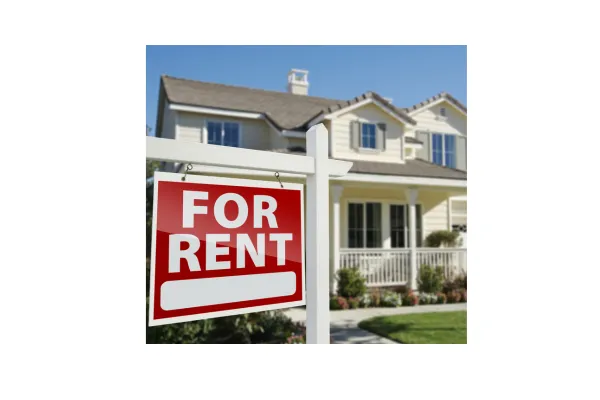
Flow Planning for Rental Properties
Cash Flow Planning for Rental Properties Going Into 2026
As 2025 comes to a close, Canadian real estate investors are shifting focus from acquisition to optimization. With interest rates stabilizing, rents remaining strong, and expenses still elevated, cash flow planning is the key to protecting profitability and positioning rental portfolios for success in 2026.
Here’s how investors can strategically plan rental cash flow heading into the new year.
1. Reassess Mortgage Costs and Financing Structure
Mortgage payments are the single largest expense for most rental properties.
Review:
Current interest rate vs. market rates
Fixed vs. variable exposure
Amortization length
Renewal timelines
Refinancing or switching lenders in late 2025 could reduce monthly costs and improve 2026 cash flow.
2. Stress-Test Cash Flow for Rate and Expense Changes
Even with easing rates, investors should plan conservatively.
Model scenarios for:
Higher property taxes
Insurance increases
Utility cost spikes
Maintenance and repairs
Vacancy periods
Building buffers prevents negative cash flow surprises.
3. Optimize Rental Income Strategically
Strong rental demand continues across many Canadian cities.
Consider:
Market rent increases where permitted
Lease renewals aligned with peak demand
Short-term vs. long-term rental strategies
Adding value (parking, storage, utilities, furnishings)
Small income improvements can dramatically impact net cash flow.
4. Budget for Maintenance and Capital Expenses
Deferred maintenance erodes profitability.
Plan annual reserves for:
HVAC servicing
Roofing and exterior upkeep
Plumbing and electrical
Appliance replacement
Energy-efficiency upgrades
Proactive maintenance protects both cash flow and property value.
5. Plan for Vacancy and Turnover Costs
Vacancy risk varies by market, but every investor should plan for it.
Include:
One month of vacancy per year (conservative model)
Cleaning and repainting
Leasing fees
Advertising costs
Planning ahead avoids financial strain during tenant transitions.
6. Review Insurance and Property Taxes
Insurance premiums and property taxes continue to rise.
Action steps:
Shop insurance annually
Review coverage levels
Appeal property tax assessments if applicable
Factor increases into 2026 budgets
These costs directly affect net operating income.
7. Use Tax Planning to Protect Cash Flow
Smart tax planning boosts after-tax returns.
Consider:
Interest expense deductions
Capital cost allowance (CCA)
Repair vs. capital expense treatment
Year-end expense timing
Work with a tax professional to align strategy with 2026 goals.
8. Build and Protect Your Cash Reserves
Strong reserves are essential in uncertain markets.
Target:
3–6 months of property expenses per unit
Separate maintenance and emergency funds
Liquidity for unexpected repairs or vacancies
Reserves turn challenges into manageable events.
9. Review Debt Structure and Leverage Levels
As rates normalize, review:
Loan-to-value ratios
Equity positions
Risk tolerance
Reducing leverage or restructuring debt may improve long-term stability and cash flow.
10. Create a 2026 Cash Flow Forecast
Before January 1, map out:
Monthly income and expenses
Expected rent changes
Mortgage adjustments
Planned repairs or upgrades
A written forecast helps you make proactive decisions instead of reactive ones.
Final Thoughts
Cash flow is the foundation of successful real estate investing. Heading into 2026, investors who actively plan — rather than react — will protect profitability, manage risk, and position their rental portfolios for long-term growth.
If you’d like, I can turn this into a RateShop investor worksheet, cash flow calculator, or portfolio planning guide.


We'll find great rates like this one from one or our several lending partners across Canada.
Call Now for a Free Rate Quote
5 Year - Fixed Term from
4.04%
Apply for your Best Rate in minutes.
Everyone's rate is unique.What's yours?
It is our job to get your lowest possible rate. Your rate qualification depends on certain factors, such as credit score and home equity as per regulations.
*Advertised rates may not be offered by this lender. Mortgage lender offers are aggregated by RateShop & its Brokerage Network subject to change without notice. Speak with our mortgage broker about APR and qualification requirements.
As Seen And heard on



Quick Links
Contact Information
6 Indell Lane, Brampton ON L6T 3Y3, Canada
Local: 416-827-2626
Toll: 800-725-9946
RateShop Inc. is a Mortgage Brokerage offering lowest mortgage rates to Canadians. We are provincially licensed in the following provinces: Mortgage Brokerage Ontario FSRA #12733, British Columbia BCFSA #MB600776, Alberta RECA #00523056P, Saskatchewan FCAA #00511126, PEI #160622, New Brunswick FCNB #88426, Newfoundland/Labrador.
Copyright 2026. RateShop Canada. All Rights Reserved.