
Bank of Canada December 9: What the Last Decision of 2026 Means
December 9 is the Bank of Canada's last rate decision of 2026 and comes without a Monetary Policy Report. Here is what to watch, and what each outcome means for your mortgage.
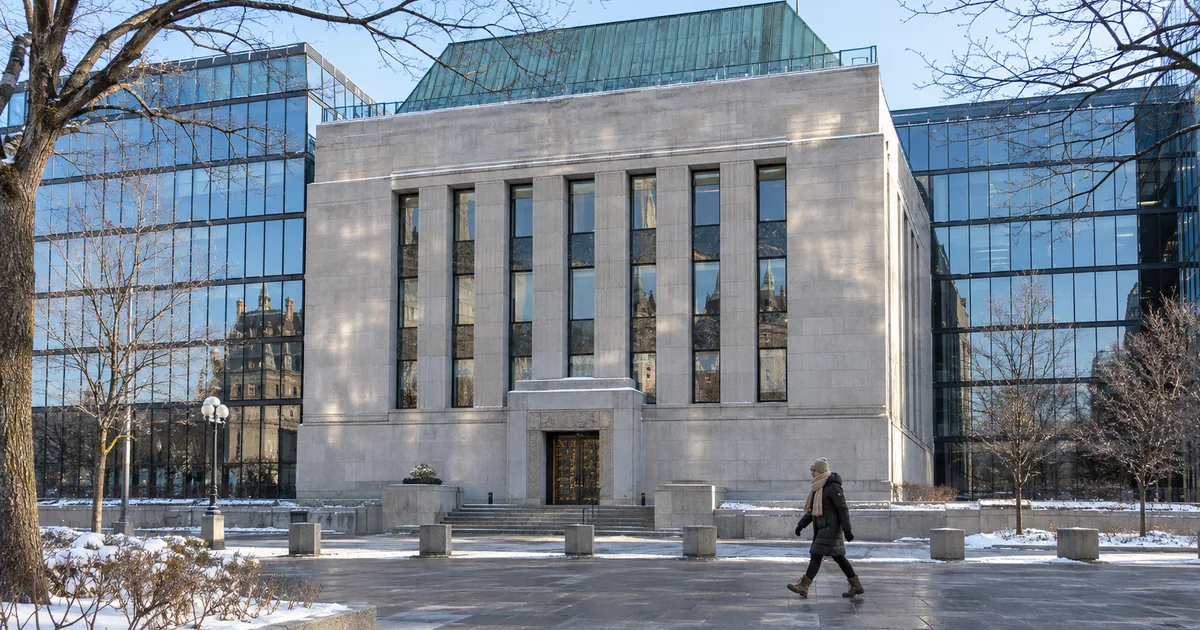
The Bank of Canada makes its last interest rate decision of 2026 on Wednesday, December 9. After the increase on October 28, the open question is whether a second hike follows or the Bank pauses. Nobody can know the outcome in advance. What you can know is how this announcement works, what will shape it, and what a hike or a hold would do to your mortgage, so you can make decisions now that hold up either way.
What happens on December 9
The Bank releases its decision and a short written statement, typically at 9:45 a.m. Eastern. The statement gives the new or unchanged policy rate and a brief explanation of the Governing Council's thinking.
This is a lighter announcement than October's. There is no Monetary Policy Report in December, so there are no new economic projections, no updated inflation forecast and no fresh estimates of growth. The Bank publishes a summary of the Governing Council's deliberations about two weeks after each decision. It can add useful detail, but it arrives after the rate has already been set.
The lack of a full report changes how the announcement should be read. With no new forecast, the wording of the statement carries more weight. Markets will look closely at whether the Bank describes inflation risks as rising, balanced or easing, and whether it hints that more increases may be needed.
Will the Bank of Canada raise rates in December?
Opinion is genuinely divided. Some economists expect another increase. Others expect the Bank to hold and watch how the October hike works its way through the economy. Published market odds for a December hike have varied widely from source to source, and they have shifted as each new data release arrives.
That spread tells you something. When forecasters disagree this much, any single prediction deserves less confidence than usual. RateShop tracks the odds separately, but for planning purposes, assume either outcome is realistic.
What the Bank will be weighing
Several things will likely shape the decision:
- Inflation. The October consumer price index, released in mid-November, is the last full inflation reading before December 9. The Bank pays particular attention to its preferred core measures, which strip out the most volatile prices, alongside the headline figure.
- Jobs. Statistics Canada's November Labour Force Survey is scheduled for early December, just days before the decision. A strong or weak report can move expectations quickly.
- Growth. Third-quarter GDP figures give the Bank a read on whether the economy is running hot or slowing.
- The October hike itself. Rate changes take time to affect spending and prices. The Bank may want to see more evidence before moving again so soon.
What a hike or a hold means for your mortgage
The effect depends on the type of mortgage you have and when it renews.
| Your situation | If the Bank raises rates | If the Bank holds |
|---|---|---|
| Variable rate, adjustable payment | Lenders usually raise prime soon after, and your payment rises. | Your payment stays where it is for now. |
| Variable rate, fixed payment | Your payment stays the same, but more of it goes to interest and less to principal. Watch your trigger rate. | No change to how your payment is split. |
| Fixed rate, mid-term | No change until renewal. | No change until renewal. |
| Fixed rate, renewing soon | Fixed rates follow bond yields, which often move before the announcement. Offers may already reflect expectations. | Fixed rates could ease if markets had priced in a hike, but this is not guaranteed. |
| HELOC or other prime-based debt | Interest costs rise along with prime. | Interest costs stay the same. |
One point is often misunderstood. The Bank of Canada does not set fixed mortgage rates. Fixed rates are driven mainly by the bond market, which reacts to expectations about future policy. A December hike that markets already fully expect may barely move fixed rates. A surprise in either direction can move them more.
If your renewal is coming up
If your mortgage renews in the next few months, December 9 matters less than having a plan in place before it arrives. A few steps help no matter what the Bank decides:
- Get a rate hold. Many lenders let you hold a rate for several months before your renewal or switch. If rates rise, you keep the held rate. If they fall, you can usually take the lower one.
- Compare beyond your current lender. Renewal offers sent by mail are not always the most competitive. At renewal, a straight switch to another lender may be possible without requalifying under the stress test, depending on the lender and your circumstances.
- Decide how much rate risk you can carry. If another increase would strain your budget, the predictability of a fixed rate may be worth more to you than possible savings on a variable.
- Check your trigger rate if you have a fixed-payment variable mortgage. Your lender can tell you where it sits.
What comes after December 9
December 9 closes out 2026, but it does not close the question. The Bank's first decision of 2027 is expected to come with a full Monetary Policy Report and updated forecasts, which often gives a clearer signal about the path ahead. The Bank publishes its schedule of decision dates on its website.
In the meantime, the November inflation report, due in mid-December after the decision, will start to shape expectations for early 2027.
The bottom line
December 9 could bring a second hike or a pause, and informed forecasters disagree on which. Rather than trying to predict the outcome, focus on what you control: secure a rate hold if you are renewing, compare offers, and choose a mortgage you can afford under either result.
If your renewal falls in the next few months, a RateShop broker can compare current offers and help you set up a rate hold before December 9.
Rates change monthly. Your inbox should too.
One short email when the market moves — Bank of Canada decisions, bond yields, and what they mean for your renewal.
We email you once to confirm. Nothing is sent until you click it.
Keep reading

How Bank of Canada Rate Decisions Affect Your Mortgage
A Bank of Canada rate announcement can change a variable payment within days, yet barely touch a fixed rate. Here is how each type of mortgage responds, and what that means if you renew or refinance in 2027.

Will the Bank of Canada Raise Rates in December? Odds Tracker
A Bank of Canada hike in December is a live possibility, not a done deal. This tracker explains what moved the odds this week, how they are calculated and what each outcome means for your mortgage.

Mortgage Renewal in 2027: How to Plan Around Rate Forecasts
Renewing in 2027? Bank forecasts can tell you the range of outcomes economists expect, not your renewal rate. Here is how to turn them into a timeline, a term choice and a backup plan.
